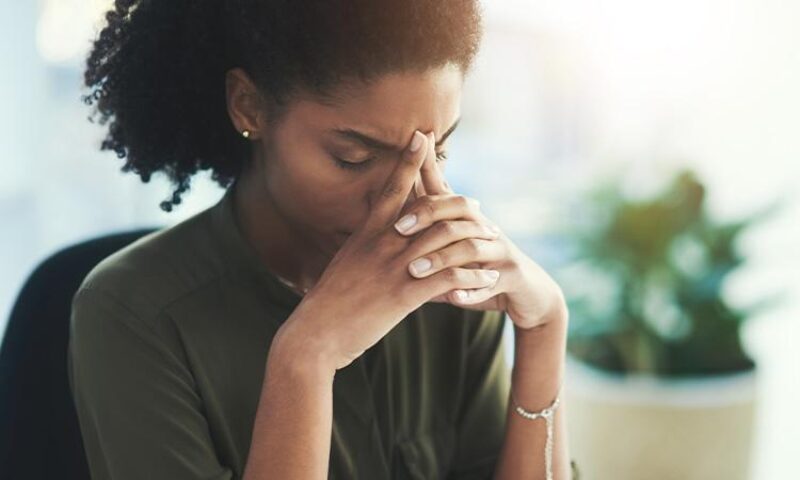
If you've been struggling with symptoms like irritability, bloating, weight changes, or mood swings and can't get to the root cause, it may be time to check for a hormone imbalance. Anyone can experience hormone imbalances, but symptoms differ for men and women; this article focuses on female hormones. Schneck Integrative Medicine will show you why hormones, such as estrogen and progesterone, are important to female health, how to tell if you might have a hormone imbalance, and what you can do about it.
What Are Hormones?
Hormones are chemical "messengers" produced by glands in the endocrine system that travel through the bloodstream. They play a vital role in your overall health, signaling to your tissues and organs what to do and when.
Hormones help regulate bodily functions, including:
- Metabolism
- Blood sugar levels
- Physical growth
- Blood pressure
- Reproductive cycles and sexual function
- General growth and development
- Mood and stress levels
Signs of Hormone Imbalance
Hormonal imbalance symptoms can cause stress, discomfort, and other hinderances that impact daily life. While many of the factors listed could have causes other than a hormone condition, it's still important to contact your integrative medicine doctor if you are experiencing one or more unusual symptoms like these:
- Mood swings: Serotonin is the chemical that affects your mood. When estrogen drops, so does serotonin, causing women to experience symptoms of depression, irritability, or anxiety.
- Insomnia: Drops in serotonin can affect sleep habits, too. Women with hormone imbalances may experience night sweats and/or trouble sleeping.
- Fluctuating stress and energy levels: Hormonal imbalance and stress can go hand in hand. Cortisol is the hormone that helps manage energy. When cortisol production is off due to a hormonal issue, a woman may experience elevated stress and energy, followed by significant drops, causing her to feel fatigued and/or lethargic.
- Constipation or diarrhea: Estrogen and progesterone can affect digestion. If there are inconsistencies in these two hormones, women may experience constipation, diarrhea, and, in more severe cases, irritable bowel syndrome (IBS).
- Irregular menstrual cycle: The typical menstrual cycle lasts around 28 days. In the case of a hormone imbalance, a woman's period may be unpredictable in its schedule, or too light or too heavy.
- Infertility: Trouble having children can be caused by a hormone imbalance. Ovulation disorders that limit a woman's ovulation, such as polyendocrine metabolic ovarian syndrome (PMOS, formerly known as PCOS), are created by hormonal imbalances.
- Pain in the abdomen or back during menstruation: Serve period cramps can result from hormonal imbalances.
- Low sex drive (libido): Typically, with age, women notice changes to their libido as a result of dropping estrogen. Signs like low sex drive, vaginal dryness, and pain during intercourse can be caused by hormonal imbalances from menopause.
- Unexplained weight gain or weight loss: While weight gain is to be expected after menopause, fluctuations in weight can be a sign of a hormonal disorder such as PMOS or thyroid conditions.
- Excessive hair growth: Changes in hormones from pregnancy may cause thicker hair. However, excessive hair loss or growth, especially on the face, can be a result of hormonal issues.
- Rashes on the skin: If progesterone rises, a woman may notice increased hormonal acne or dark spots on her face and body.
How Schneck Integrative Medicine Can Help
Schneck Integrative Medicine's Team has extensive experience helping women restore balance to their hormone health. We believe successfully treating hormonal imbalances requires a holistic approach; that's why we incorporate natural healing techniques with state-of-the art modern testing and treatment.
Long before medicine as we know it began, people relied on herbs, acupuncture, diets, massages, and the healing power of the mind. At Schneck Integrative Health, we still hold those methods in high regard and believe the most important thing is getting to the root cause of your health issue, rather than simply addressing symptoms with medications.
Hormone conditions have various causes, including diseases, adrenal gland disorders, and lifestyle habits. We'll work diligently to help you understand your unique situation and guide you toward holistic solutions that support your hormone balance and overall health goals.